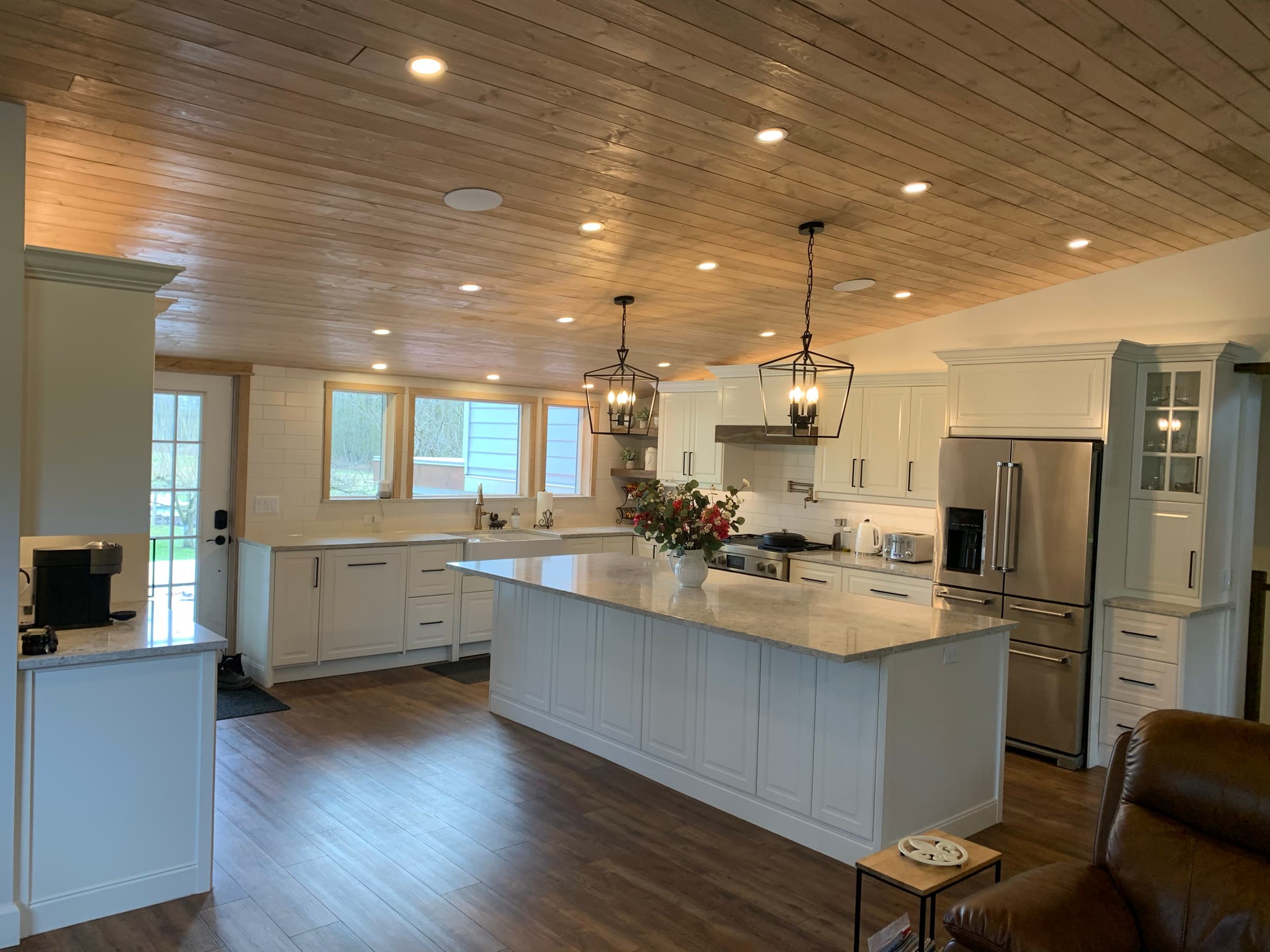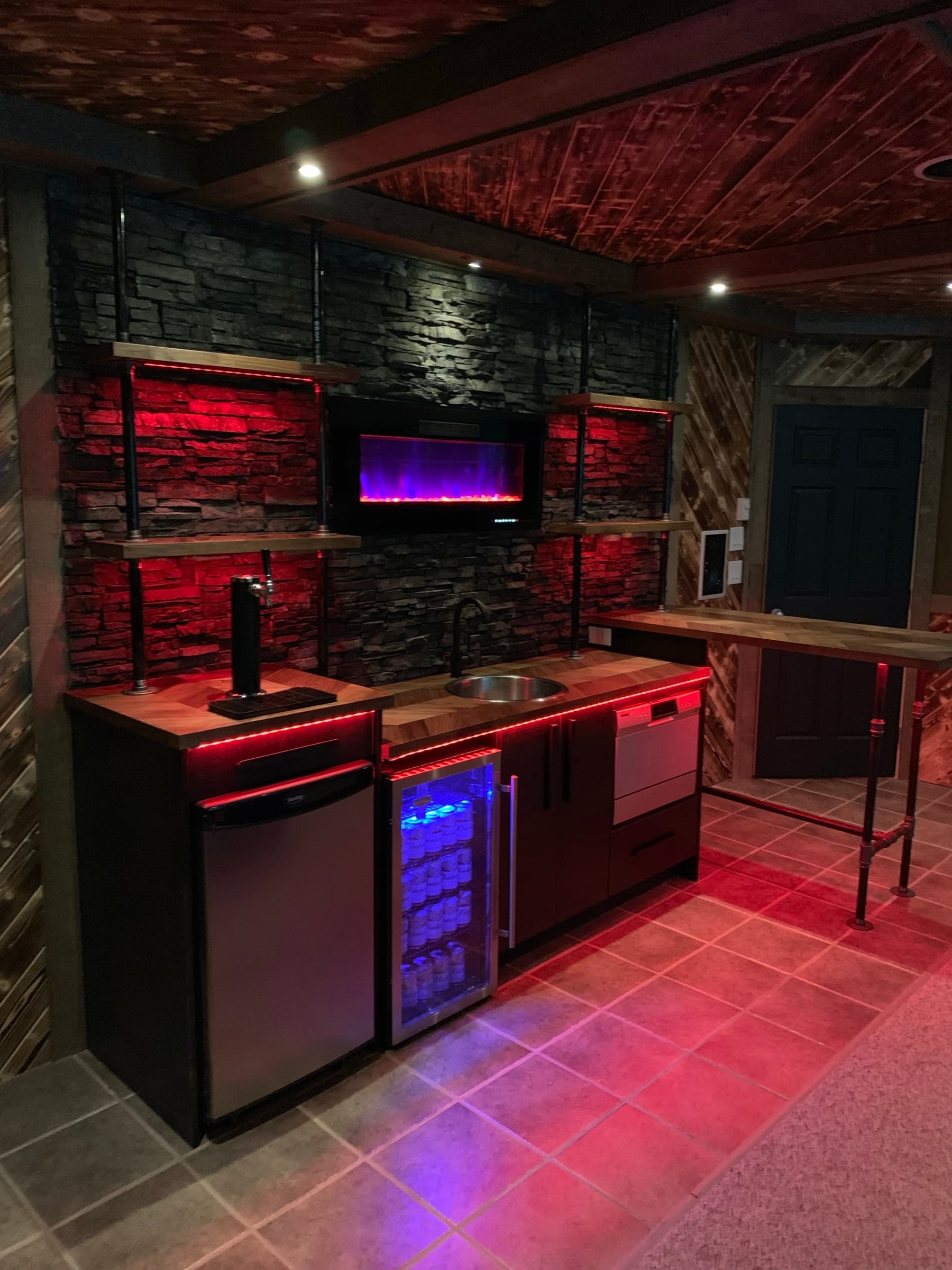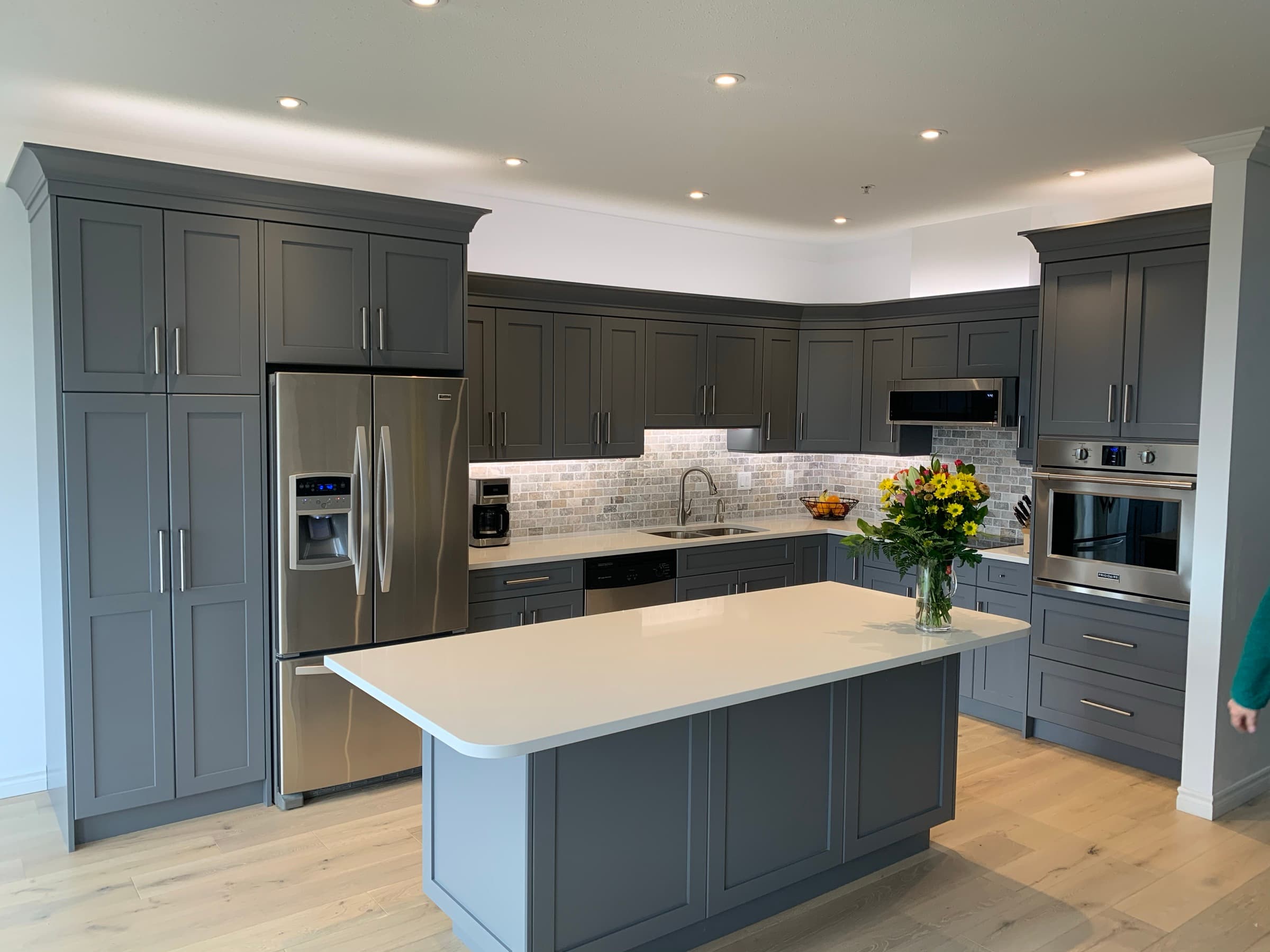
A renovation goes badly when nobody slowed down to ask the right questions first. The walls aren't the problem. The cabinets aren't the problem. The problem is that the homeowner and the contractor were never talking about the same project.
I get asked for quotes all the time. The honest answer, almost every time, is that I can't give you a real one yet. Not because I'm dodging the question — because I don't know enough about you, your house, or your life inside it to tell you what this is going to cost. The quote is the last thing we figure out together. Not the first.
What I'm actually doing on the first walkthrough.
When I come to your house — usually over coffee, usually with my boots off — I'm not measuring yet. I'm listening. I want to know how your kitchen actually works on a Tuesday night, where you trip over the dishwasher when it's open, who in the family is hardest to feed, and what you've tried before that didn't fix it.
I want to know what you've been staring at on Pinterest. I also want to know what your spouse has been staring at, because half the time those two boards look nothing alike. I want to know your budget, even loosely, and I want to know what you've been told it should cost. Sometimes those numbers are far apart. Better to find that out at the kitchen table than three weeks into demo.
The five questions I always ask.
- What's broken about the room right now? Not what you don't like the look of — what doesn't work. That's where the real scope lives.
- How do you actually use this space? Who cooks, who does homework here, where the dog sleeps. Real life beats a magazine spread every time.
- What have you tried before? If you've already painted it, swapped the lights, or moved a piece of furniture three times, you've told me something.
- What's your honest budget? Not the dream number, not the panicked number. The real one. I'll tell you what it can buy.
- What does “done” look like to you? If we don't agree on this, we'll never agree on when to stop.
Those five questions, in a kitchen with the kettle on, get us further than forty pages of pre-built scope ever will.
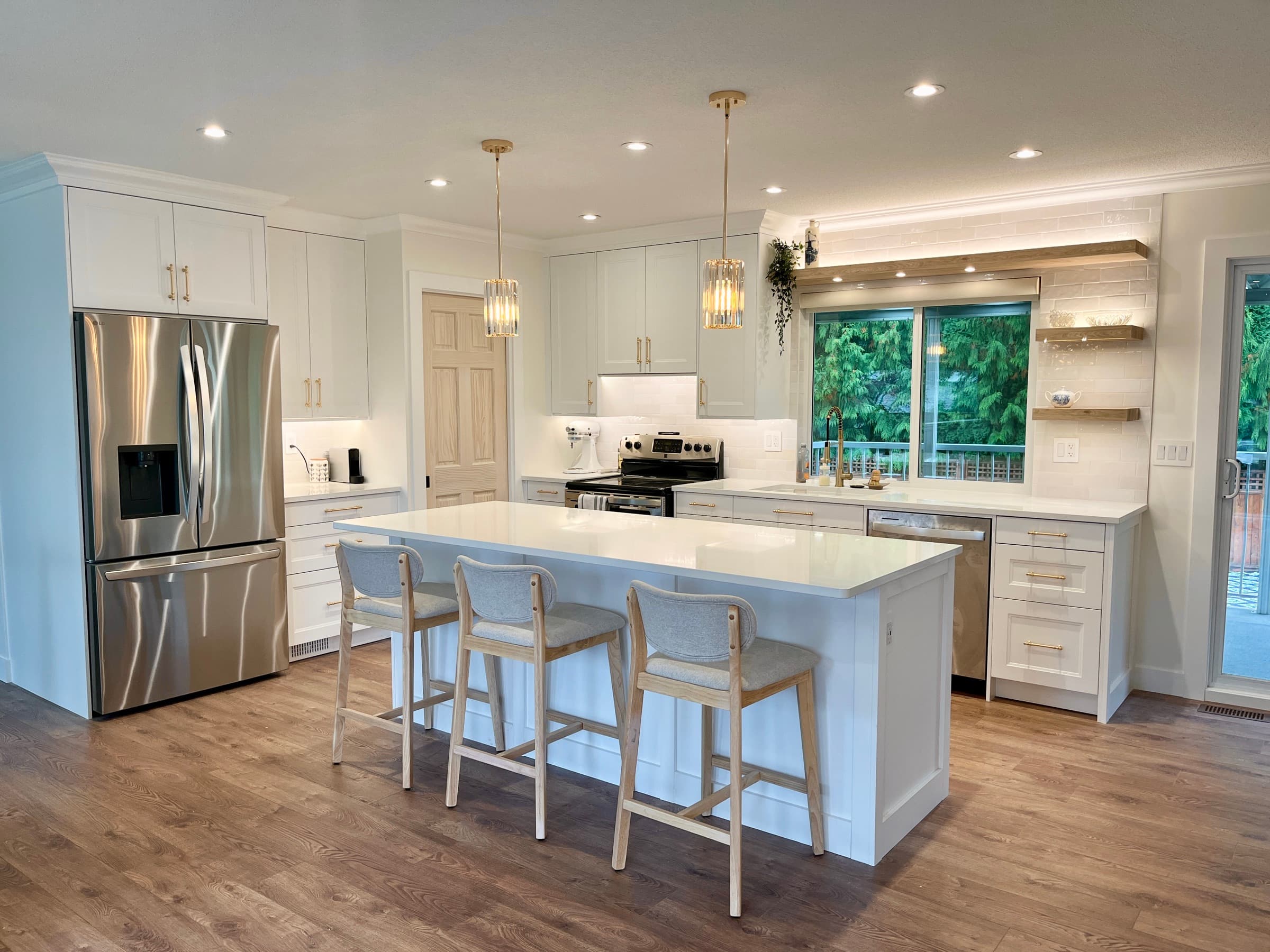
Why this changes the quote.
Two homeowners can walk me into the same 1980s galley kitchen and want two completely different things. One wants the wall down and an island that seats the whole family. The other wants the layout left exactly where it is and every surface rebuilt — quietly, beautifully, without a year of disruption. The rooms look identical. The projects don't.
The quote that comes out of those two conversations is going to be different by tens of thousands of dollars. If I price the wrong project, one of two things happens: I lose the job to someone cheaper who's pricing a smaller scope, or I win the job and we run into surprises that nobody planned for. Both end badly. The only thing that prevents either of them is the conversation.
Most renovations go wrong long before the demo starts. They go wrong at the kitchen table, when nobody asked the question that mattered.
The shape of the conversation.
I spent years as a worship pastor before I picked up a contractor's licence. That job is almost entirely about listening to people — figuring out what someone actually needs, not just what they say they want, and meeting them there. The first time I walked through a homeowner's kitchen and realised it was the same job, I knew I was building the right kind of business.
So here's how I run that first conversation, every time. We sit down. I take a notebook, not a tape measure. We talk for an hour, maybe more. By the end, I'll have a sketch — usually rough, usually wrong in places, but close to what you actually want. A week later, I send you a real scope and a real number. Not a range, not a “starting at.” A number.
If we want to keep going from there, we keep going. If the number doesn't work, we go back to the conversation and figure out what to adjust. Either way, you didn't pay anything to get here, and you walked away with a clearer picture of your project than you had at the start.
That's the work that comes before the quote. It's also where the best renovations get built — at the kitchen table, before anybody picks up a hammer.